Being a landlord comes with a number of responsibilities, one of which is maintaining your rental property.
It’s important to both the tenant and the landlord that the property is kept in good condition, and this blog will explore how best to do this.
Why does maintaining your property matter?
To attract and retain good tenants, your property needs to meet certain standards.
Maintaining your property is an investment, and the best way to do it is little and often, nipping issues in the bud before they become bigger and more costly jobs. It also helps you to protect the value of your property should you decide to sell in the future.
Tenants are more likely to be house proud if they are living somewhere that is well maintained, meaning they will be more careful, resulting in less wear and tear or accidents occurring. And it means you are unlikely to experience less tenant turnover and a vacant property, resulting in no rental yields.
By keeping the property well-maintained, you’ll also have to do less work between tenancies when re-letting, as it will generally be in a better condition.
Types of property maintenance
Property maintenance can be split into three broad categories, which we will discuss below.
Preventative maintenance
This stops problems before they’ve even occurred and helps to prolong the life of your property and its contents. We’d recommend doing this at least once a year.
Although it costs both time and money to do (as you’ll need to draft in the professionals), you’ll be saving yourself in the long run.
Preventative maintenance includes:
- Cleaning gutters
- Annual boiler servicing
- Checking pipes and plumbing
- Inspecting white goods like fridges and washing machines
Corrective maintenance
This is where things get a bit more serious. This maintenance needs to be carried out because an issue has been flagged by a tenant. This can include:
- Leaks
- Electrical problems
- Broken appliances, fixtures and fittings
Realistically, during your time as a landlord, you are likely to face corrective maintenance; it’s a fact of life, so don’t be too stressed about this.
Cosmetic maintenance
Cosmetic maintenance is more of a nice-to-have and is about the aesthetic appeal of the property, including:
- Painting and decorating
- Replacing fixtures and fittings
As we mentioned earlier, a tenant is more likely to be house proud when a property is well turned out, meaning they are more likely to take greater care while living there and treat it as their own.
What legal requirements do landlords face to maintain a property?
In addition to it being the right thing to do, landlords have certain obligations imposed on them by the law when it comes to property maintenance. These are necessary whether you self-manage your property or hire a property management company.
We’ll take a look at these below:
Repairing standard
The Repairing Standard in the Housing (Scotland) Act 2006 sets out the legal and contractual obligations of private landlords. This ensures a property meets minimum physical standards when it comes to the structure and exterior of the property, heating, water and sanitation systems and electrical and gas installations.
New measures were put in place from 1 March 2024. To understand these in depth, this guide from the Scottish Government provides a comprehensive overview.
Gas & electrical safety
A Gas Safety Certificate is required to be obtained annually from a Gas Safe registered engineer.
The electrical system must be in a safe, working and reasonable condition, including sockets and light fittings. The property must have a Residual Current Device (RCD) – a safety feature which switches off the electricity automatically, should there be a fault.
Electrical Safety inspections must be conducted by a qualified electrician every five years, and you should regularly inspect items such as cookers and kettles.
You will also need to arrange to get an Energy Performance Certificate (EPC) when renting a property to a new tenant to show how energy-efficient the property is.
Fire safety
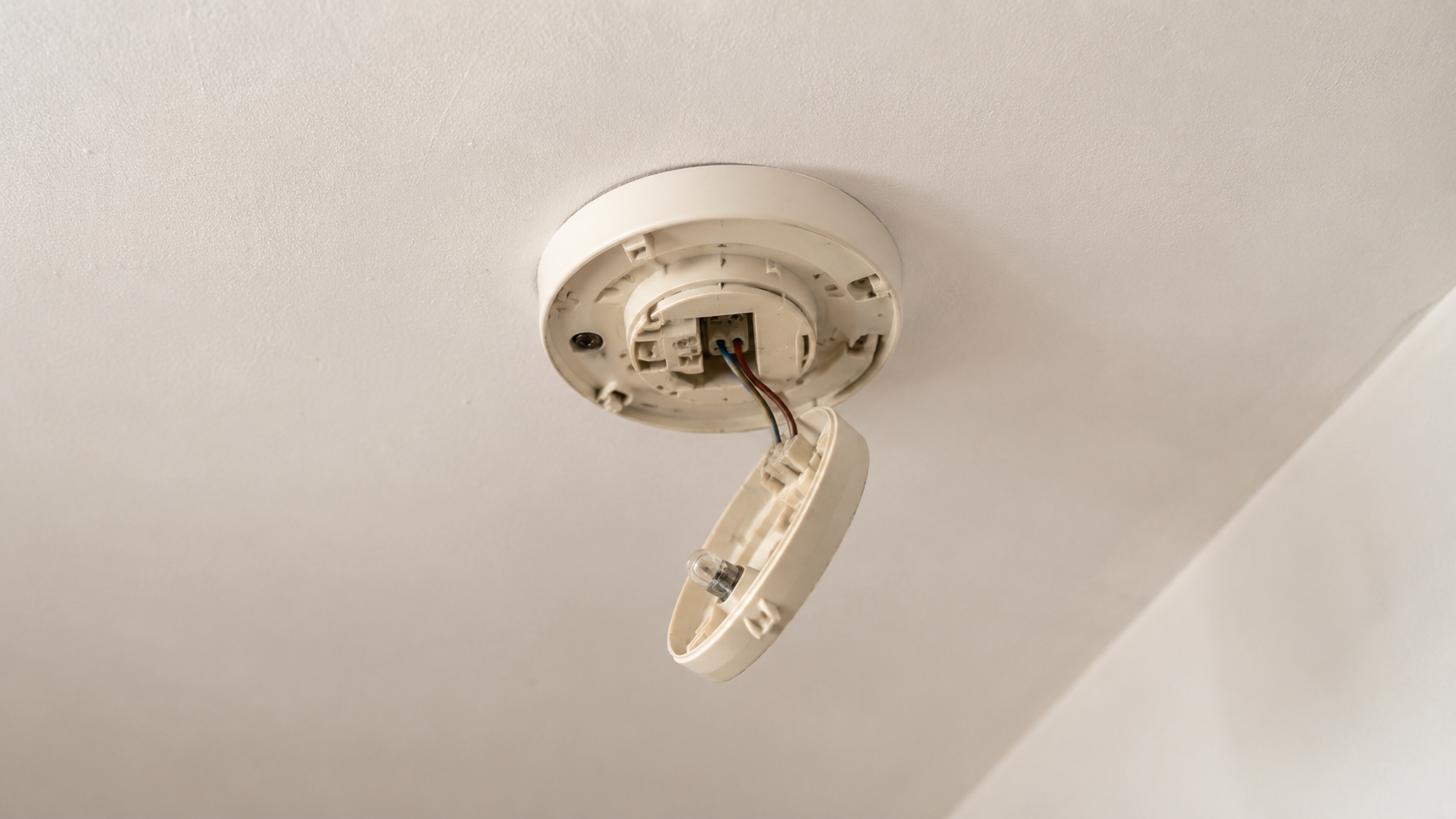
Interlinked smoke alarms must be in the living room and every hallway and landing, with a heat alarm in the kitchen and a carbon monoxide detector in all spaces with a boiler or heater (carbon fuelled appliances).
Also, if you let a tenement flat, they must have emergency exit doors fitted with locks that tenants can open from the inside without needing a key.
Water & sewerage system
Properties must also have a working toilet, drainage and sewerage system, a water supply that’s safe to use (both hot and cold water), a sink, bath or shower, and a wash basin.
Cooking
There must be a suitable area to store, prepare and cook food.
Furniture & fittings
Furniture and fittings must be provided to tenants in a reasonable condition and must be safe to use.
This covers everything: from armchairs and carpets to equipment that you provide, such as hoovers.
Legionella
Your property must be assessed for legionella, which is a form of pneumonia that can be deadly.
What’s the best way to maintain a rental property?
As we mentioned above, little and often is our advice when it comes to maintaining your property. You can keep on top of this by doing the following:
Regular property inspections
Regular property inspections are key when it comes to maintaining your property. These should occur at least every six months and will be conducted by you, as the landlord, or your property manager.
Having access to the property and the chance to see how everything is looking will help to flag up any potential issues early, and provide peace of mind that all is well.
Create a maintenance schedule
We would advise the creation of a maintenance schedule.
This ensures no jobs fall by the wayside and you can list out everything that needs to be done on an annual basis, such as gutter clearing, radiator bleeding, boiler servicing or checking the roof.
This provides clear oversight of what needs to be maintained in the property and allows you to budget for potential repairs or issues, which is good from a cash flow perspective.
Be responsive
As soon as a tenant flags that a repair is required, you or your property management company should action this to resolve it.
Ensure channels of communication are open and encourage tenants to flag up issues, even if they think they are minor. The more responsive and proactive you are, the happier your tenants will be and the better condition your property will be in.
Many property management companies will have a system in place that allows tenants to easily raise any maintenance requests.
Trusty tradesman
Be sure to use trusty tradesmen rather than trying to fix an issue yourself.
With property management companies, they will have a team ready to deploy for any ongoing maintenance requests, which removes the burden on the landlord.
Strike a balance
There’s a famous phrase: buy cheap, buy twice. It’s a delicate balancing act when it comes to furniture, fittings and white goods in rental properties.
As a landlord, you probably don’t want to invest in top-of-the-line goods for a property you aren’t going to be living in, or going to benefit from. Additionally, you could be more uptight about wear and tear on items if they were expensive or if you have an emotional attachment to them.
But you also don’t want to be in a position where you only go for budget items, which you need to replace again, because of malfunctions or breaks.
With this in mind, there’s a happy medium when it comes to kitting out your rental property so the items you do provide stand the test of time.
Conclusion
It’s important that as a landlord, your rental property is well-maintained, and we hope this blog has helped to set out the reasons why.
Being a landlord can feel like a full-time job, but you don’t have to navigate this alone. If you’d like to find out more about how Rosevale can help, we’d be happy to have a chat and provide advice tailored to you.