Renting out your house or flat for the first time can feel overwhelming, especially when you’re trying to navigate Scotland’s specific legal requirements for landlords. But with the right guidance, renting out a property can be a rewarding source of income and a long-term investment.
In this blog, we will explore how to safely and compliantly rent out your house, whether you’re a brand new landlord or expanding your rental portfolio.
Why should you rent out your property?
There are a number of reasons why individuals choose to rent out their property. The prime reason is normally that the owner is no longer living there due to relocating or moving in with a partner, but they don’t wish to sell the property at this point in time. Generally, in these sorts of scenarios, you will need to rent your flat out to cover your mortgage payments.
Renting out your property generates regular income, and becoming a landlord could be the start of a long-term investment journey as rental yields can be attractive.
Before you embark on this journey, it’s important to understand the responsibilities involved as a landlord, ranging from legal obligations to ensuring you fill your home with the right tenants.
When renting out your property for the first time, what are your legal responsibilities in Scotland?
If you’re renting out your property in Scotland, there are several legal responsibilities that must be adhered to before a tenant can move in:
Landlord registration
Under law, all landlords must register with their local council through the Scottish Landlord Register and renew this every three years. It is a criminal offence to rent out a property without being registered, and you can be fined up to £50,000.
Fit & Proper Person Test
As part of the registration on the Scottish Landlord Register, the council will assess whether you are suitable to let a property (i.e. a fit and proper person).
Deposits
Any tenancy deposit must be lodged with a government-approved Scottish tenancy deposit scheme such as Letting Protection Service Scotland, mydeposits Scotland and SafeDeposits Scotland within 30 working days of receipt.
These schemes are in place to protect a tenant’s money until the end of the tenancy. If you don’t protect the deposit in one of these schemes, you’re breaking the law.
How to rent out your house safely: Essential safety certificates & standards
Safety is at the heart of Scotland’s letting legislation. Before renting out a property, there are a number of requirements that landlords must fulfil to ensure their home is compliant and suitable for tenants.
Gas safety certificate
All landlords must arrange an annual gas safety inspection of their property to be carried out by a Gas Safe registered engineer. The engineer will inspect all gas appliances, flues and pipework and issue a Gas Safety Certificate.
It is the landlord’s responsibility to ensure gas appliances, flues and pipework are maintained and in safe working order.
Electrical safety
All landlords across the UK must have the property’s fixed electricals, this means its wiring, sockets and fuse boxes, inspected and tested at least every five years.
This inspection must be carried out by a qualified electrician who will provide an Electrical Installation Condition Report (EICR). This also includes PAT testing for any portable appliances supplied, such as kettles, microwaves and washing machines.
Fire safety
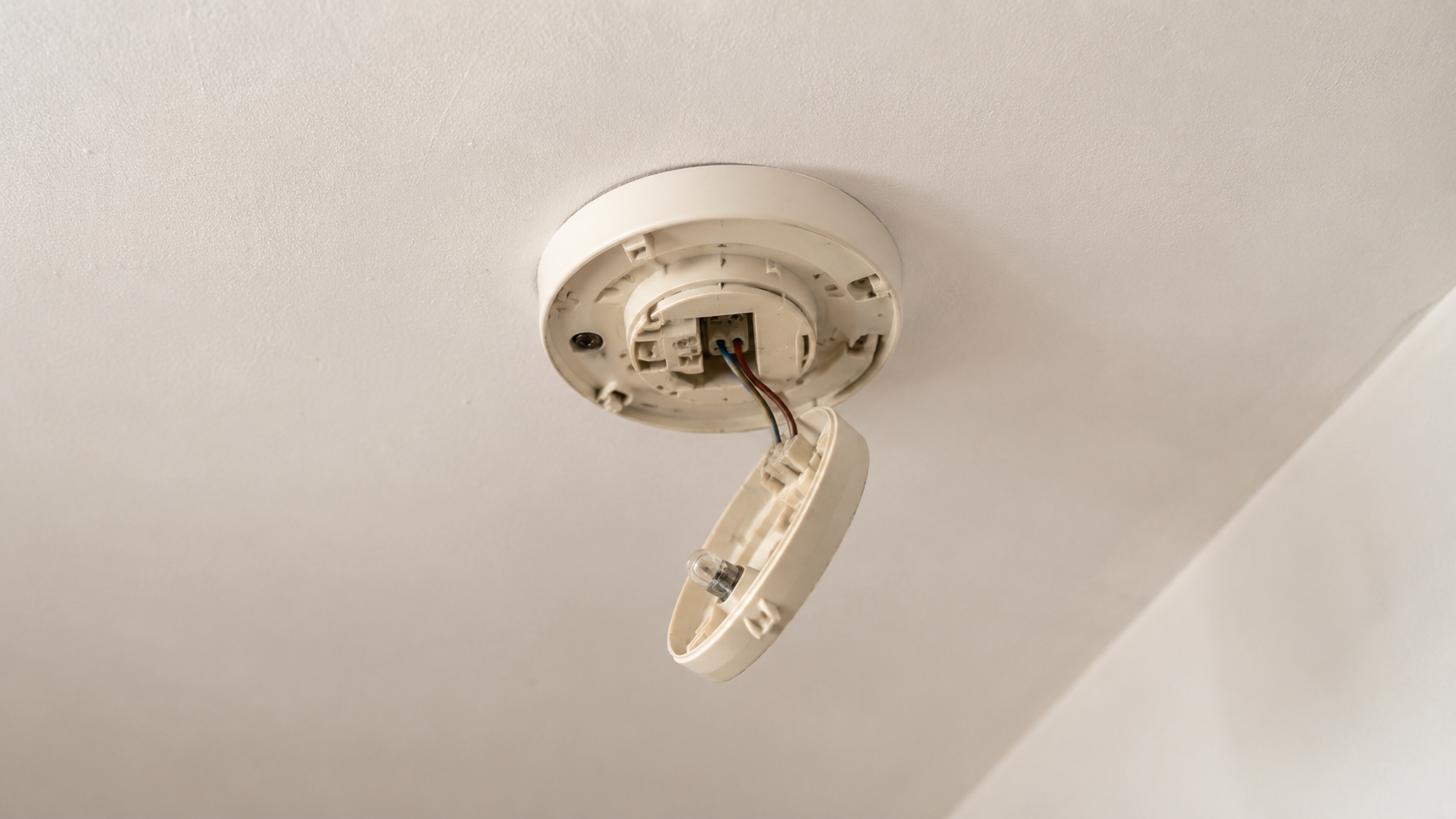
Interlinked fire alarms must be installed with one smoke alarm in the living room, one smoke alarm in every hallway and one heat alarm in the kitchen.
If you have a carbon-fuelled appliance like a boiler, open fire or wood burner, you must also have a carbon monoxide detector in the same room. This doesn’t need to be linked to the fire alarms.
Legionella risk assessment
Scottish landlords must also assess and manage the risk of Legionella in their property.
Creating the right tenancy agreement: What your contract must include
Ensuring you have a legally compliant tenancy agreement is critical when renting out your property, as it protects both parties and reduces the risk of disputes down the line.
In Scotland, all private lets use a Private Residential Tenancy (PRT), which is a legally binding agreement between tenant and landlord. There are a number of things that need to be in the tenancy agreement. For a full list of these, take a look at the MyGov.scot website here.
Instructing a letting agent, like Rosevale Letting, to let out your property on your behalf ensures a legally binding PRT is in place and removes the burden from you to get this right.
How much can I rent my property for?
One of the most common questions we get asked at Rosevale Letting is: How much can I rent my property out for?
It’s not always a simple answer as it rests on a number of considerations to take into account, including researching local rental demand and comparing your property with similar-sized ones in your area to act as a benchmark.
Other considerations include the size and condition of your property, as well as the furnishings supplied. Local transport links and amenities also factor into rental value.
It’s a fine balancing act when setting a rental amount pricing it too high could lead to more months where the property is vacant, as it will be more difficult to fill it with tenants, while under-pricing reduces the returns you make on the rental income, particularly over time.
Working with a letting agent like Rosevale Letting is incredibly helpful when it comes to assessing your property and recommending a competitive yet realistic rental value.
Checklist for landlords renting out a property
Before you’re ready to put your property on the rental market, there are a number of actions that a landlord must first take. These include:
- Carry out any necessary repairs to the property
- Ensure all safety certificates are up to date
- Provide instruction manuals for appliances
- Freshen up décor if required (such as repainting or touch-ups)
- Deep clean the property
- Check all doors, windows and locks are functioning properly
- Ensure the property has both heating and ventilation
- Provide an inventory of furnishing the home that describes all items supplied
It’s important not to skip any of these steps as a well-prepared property will undoubtedly attract higher-quality tenants, and it will reduce the likelihood of maintenance issues or disagreements during the course of the tenancy.
How to find the right tenants: Advertising, viewings & referencing
Marketing your property effectively is key when renting out a property, and this is where a letting agency really is worth its weight in gold.
To advertise your property well, you’ll need:
- Professional photos
- Listing on major property sites such as Rightmove or Zoopla, as well as your letting agent’s website
- Hosting viewings
- Checking tenant references
- Carrying out credit checks
By doing the above, you are more likely to end up with reliable tenants, which ensures a smooth tenancy, and you can rest easy knowing that both your property is being taken care of, and your rent will be paid each month.
Having a letting agent on board ensures everything included above is carried out to the highest standard.
Understanding your tax obligations when renting out a property
When you rent out a property, there are tax responsibilities that come with this for you as an individual.
Landlords must ensure they declare rental income on a Self Assessment tax return. Landlords can deduct allowable expenses such as insurance, factor fees, repairs and letting agent fees from their rental income, but it’s the responsibility of the landlord to understand how profit is calculated for HMRC.
To ensure you keep yourself right, it’s a good idea to plan ahead and keep records of all rental income and expenses from day one.
Managing the tenancy: Inspections, maintenance & rent collection
Even once your tenants have moved in, the responsibilities for landlords continue thanks to ongoing property management requirements, including:
- Responding to repairs promptly
- Ensuring safety standards remain up to date
- Carrying out periodic inspections
- Managing rent payments and any arrears
- Providing proper notice when seeking access to the property
Having a letting agent like Rosevale Letting in place to deal with property-related requirements ensures you’re in safe hands, as being a good landlord can feel like a full-time job.
We take care of contractor management, ensure timely property inspections and are proactive about rent collection. Our philosophy rests on the belief that if we help landlords to stay on top of their responsibilities, we’ll have happier landlords and happier tenants, which is a win-win for everyone!
Conclusion
Whether you’re renting out a property for the very first time or building up your property portfolio, there are a lot of factors to consider.
Having a letting agent on board to provide professional, hands-on support for the day-to-day realities of being a landlord helps to remove any burden associated with renting out your property, ensuring you remain compliant and enjoy a stress-free experience.
If you’d like to find out more about how Rosevale can help, we’d be happy to have a chat and provide advice tailored to you. Feel free to contact us today.