
If you’re considering renting your property, one of the biggest decisions you face as a landlord is whether to let it out furnished or unfurnished. This choice can influence everything from tenant demand and rental value to maintenance responsibilities and tenancy duration.
Understanding the difference between furnished and unfurnished rentals, and what each option means for both landlords and tenants, can help you make an informed decision that suits your property, location and target market.
In this blog, we explore the pros and cons of each approach, clarify key definitions such as what the terms furnished and unfurnished mean and what landlords are required to provide.
What does furnished mean in a rental property?
A furnished property is one that includes most or all of the furniture and household items a tenant needs to live comfortably from day one.
Typically, a furnished rental includes:
- Beds and mattresses
- Sofas and dining furniture
- Wardrobes and storage
- White goods such as a fridge, freezer, washing machine and cooker
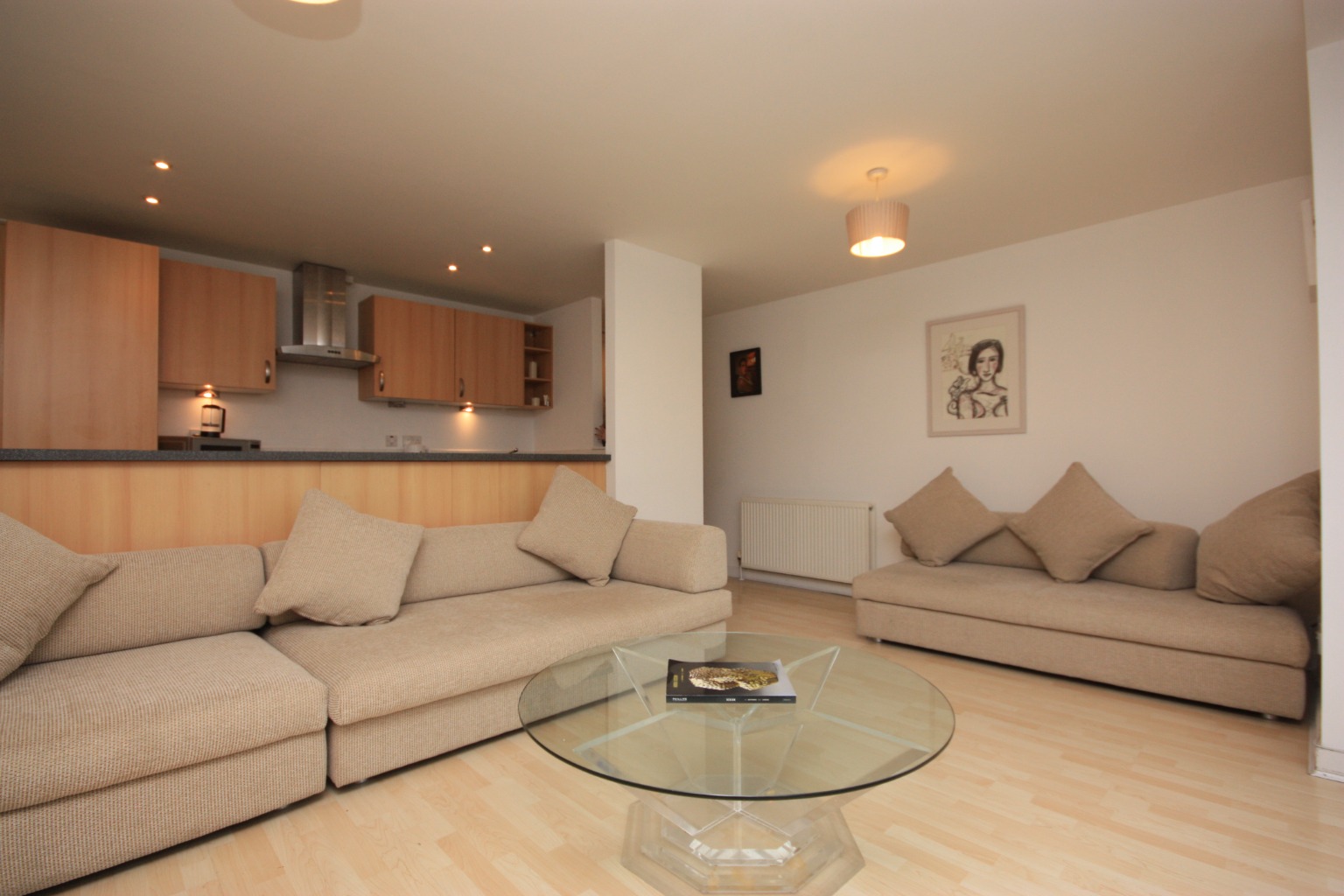
Some furnished properties may also include smaller items like lamps, curtains and basic kitchen equipment, although this varies by landlord.
For tenants, furnished properties are attractive because they remove the cost and effort of buying furniture. For landlords, offering a furnished property can open the door to a wider pool of renters.
What does unfurnished mean in a rental property?
An unfurnished property is one without any furniture, such as beds, sofas or tables. Tenants are expected to bring their own furniture and personal belongings. The property will, of course, include standard fixtures and fittings, including a fitted kitchen, bathroom, flooring and fitted carpets.
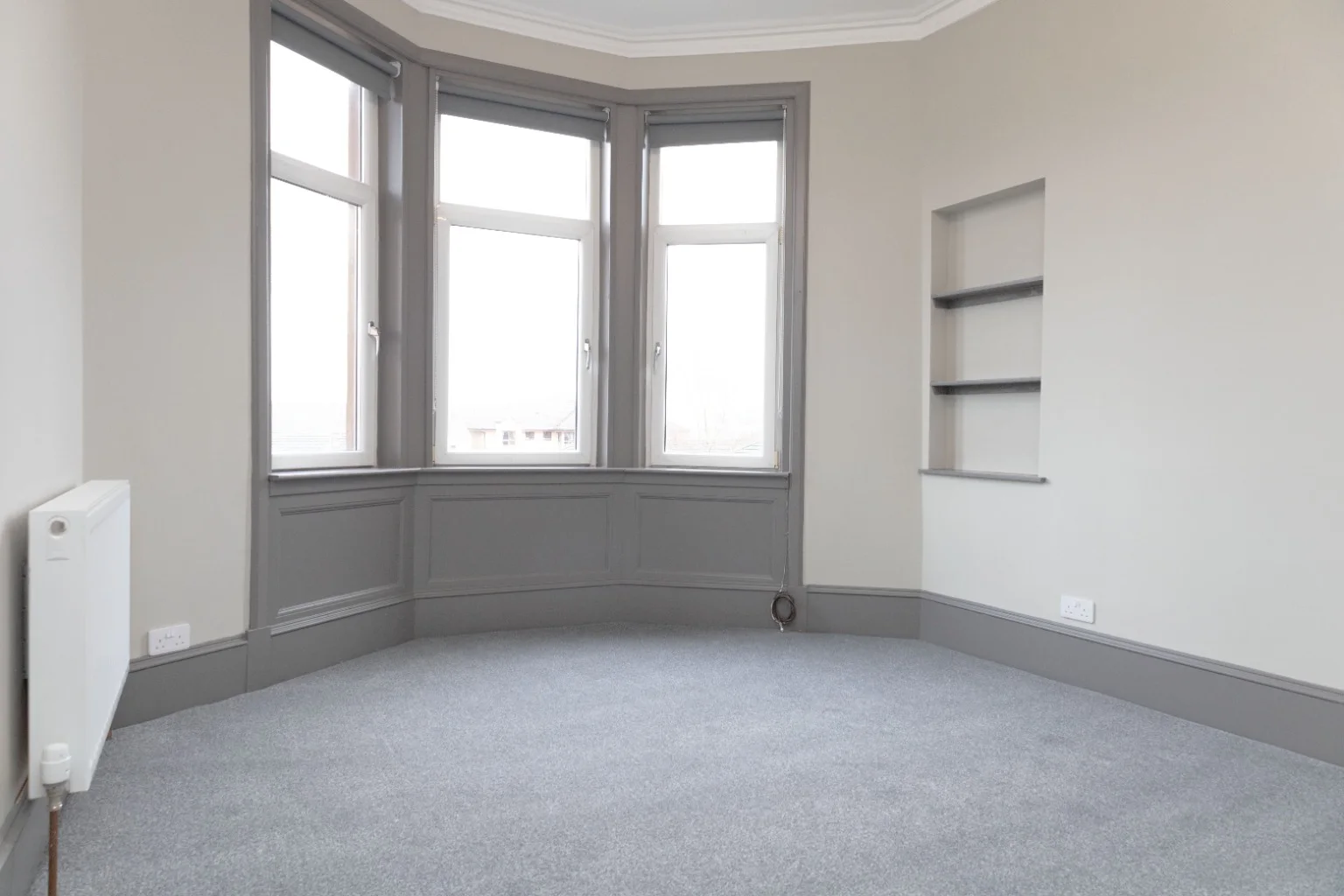
It’s important to remember that unfurnished does not mean unfinished, and landlords have a responsibility to provide a property that is safe and comfortable for tenants to live in. Therefore, it must have heating, hot water, and lighting, and electrical outlets that meet certain legal safety standards.
Many landlords choose to let properties as unfurnished because it offers simplicity, reduces wear and tear, and appeals to tenants looking for a long-term home they can personalise.
Pros & cons of letting a property as furnished
Letting a property as furnished can be beneficial in certain markets, but it also comes with added responsibilities.
Advantages of letting a furnished property
One of the biggest advantages of a furnished property is demand. In cities, furnished rentals are often popular with professionals, relocators and students who want flexibility. Furnished properties can also achieve higher rent in the right location, particularly where convenience is valued.
Disadvantages of letting a furnished property
Furnished properties require more ongoing maintenance. Furniture wears out, and landlords may need to replace items over time. There is also a greater risk of damage, which should be factored into deposit arrangements and inventory checks.
Pros & cons of letting a property as unfurnished
Letting a property as unfurnished also provides both advantages and disadvantages. These are elements that landlords have to consider before choosing to put a property on the market as unfurnished.
Advantages of letting an unfurnished property
Unfurnished properties are often preferred by tenants planning to stay long term, as they can make their mark on a place with their own furniture and possessions. These tenants are more likely to treat the property as their home, which can result in longer tenancies and fewer void periods.
From a landlord’s perspective, unfurnished properties are easier to manage. There is less to maintain, fewer disputes over furniture condition and no potential replacement costs. Many landlords find that unfurnished rentals offer stability and predictability.
Disadvantages of letting an unfurnished property
The main drawback is that unfurnished properties may appeal to a smaller audience.
Tenants who need flexibility or short-term accommodation may look elsewhere, particularly if they do not own furniture, nor do they wish to buy it.
Can furnished properties command higher rent?
In many cases, the answer is yes – furnished properties are usually more expensive for tenants; but, it depends on a variety of factors, including location, tenant demand and property type.
In city centres and commuter hotspots, furnished properties often attract higher rents because they offer convenience. Tenants are willing to pay more to avoid the upfront costs of furnishing a home. However, the increased rental income must be balanced against higher maintenance costs and furniture replacement over time.
Unfurnished properties may result in slightly lower rent, but they often benefit from longer tenancies and lower ongoing expenses, which can improve long-term returns.
Conclusion
There is no one-size-fits-all answer when deciding between letting your property out furnished or unfurnished. It is completely dependent on your situation and preferences.
As we’ve mentioned in this blog already, furnished properties can offer flexibility and higher rent in the right market, while unfurnished properties often provide stability and lower maintenance for landlords.
Letting agents are here to provide professional, hands-on support and advice to landlords to make the experience of renting out your property as smooth as possible.
If you’d like to find out more about how Rosevale can help, we’d be happy to have a chat and provide advice tailored to your situation. Feel free to get in touch and contact us today.